Our Organization
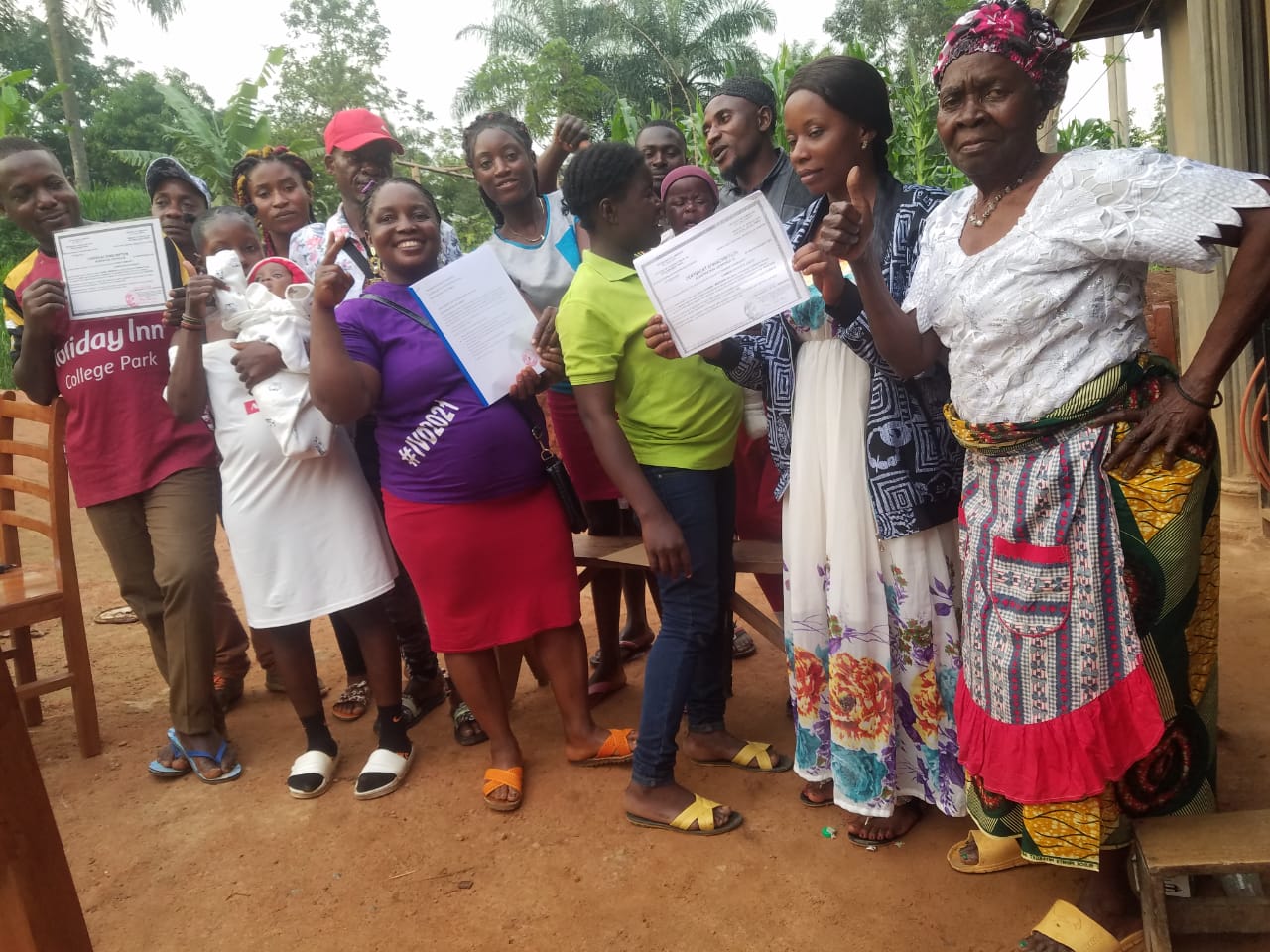
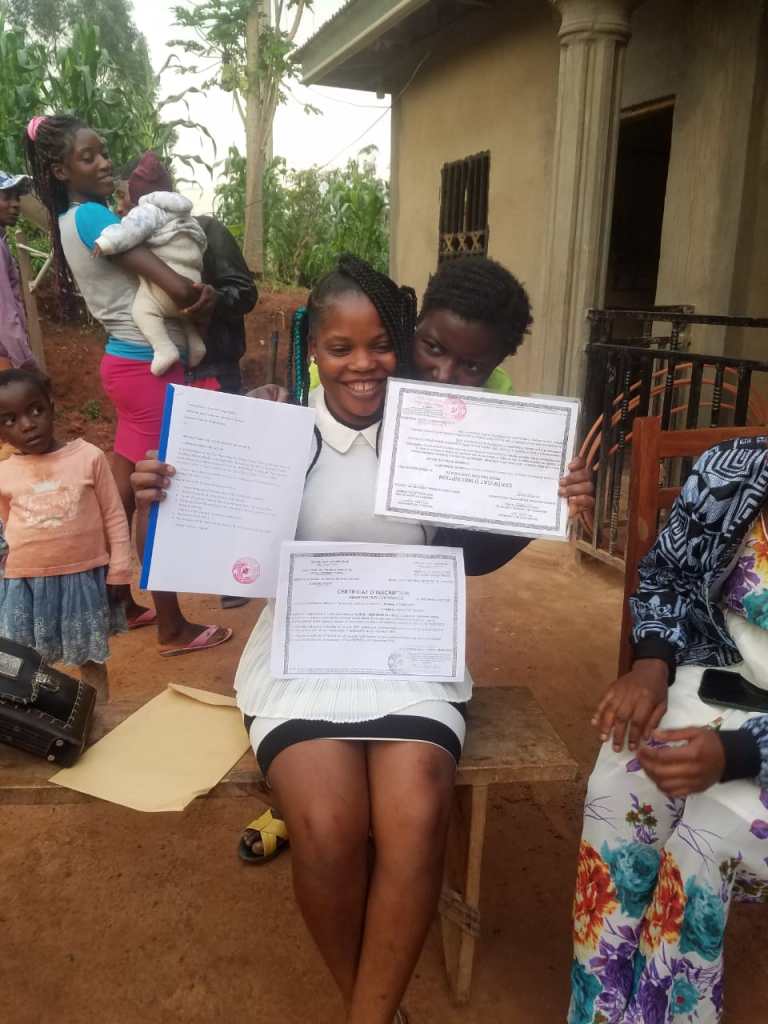
SUSTAIN Cameroon is a not-for-profit, non-governmental, non-religious and an apolitical organization with registration No. 64/E.29/1111/vol.8/APPB under the non profit law of Cameroon. ounded in 2005 and legally recognized in 2011 as an association, SUSTAIN Cameroon is committed to improving the welfare of and protecting the rights of children, youth, women, and other vulnerable groups across society.
Our Vision
To bring lasting and positive change to Cameroon’s most vulnerable people by helping them gain the education, skills, and resources they need to build secure and peaceful lives.
Our Mission
To improve the welfare of orphans and vulnerable children, disadvantaged women, and stigmatized individuals by increasing their access to basic needs such as healthcare, education, food, housing, and sustainable livelihoods—all essential components of a dignified quality of life.
Our Objectives
- Promote cultures and systems that ensure the peaceful fulfillment of basic human needs
- Support the socio-economic reintegration and rehabilitation of vulnerable persons, especially women and orphans affected by violence
- Launch and support outreach programs targeting vulnerable populations
- Promote and raise awareness about environmental conservation and healthy practices for safe, sustainable livelihoods
- Provide educational support and basic necessities to orphans and street children
- Advocate for inclusive, participatory governance and policies that protect the disadvantaged
- Enhance civic education to foster participation in democratic processes
- Link volunteers with local development initiatives aimed at improving the well-being of vulnerable groups
Our Strategies
- Capacity building and awareness campaigns for behavior change
- Advocacy and lobbying for legal and policy reforms, especially around child marriage (CEFM) and sexual exploitation (SEC)
- Research and networking with partners and stakeholders
- Coalition building with like-minded organizations
- Scholarship support and vocational training
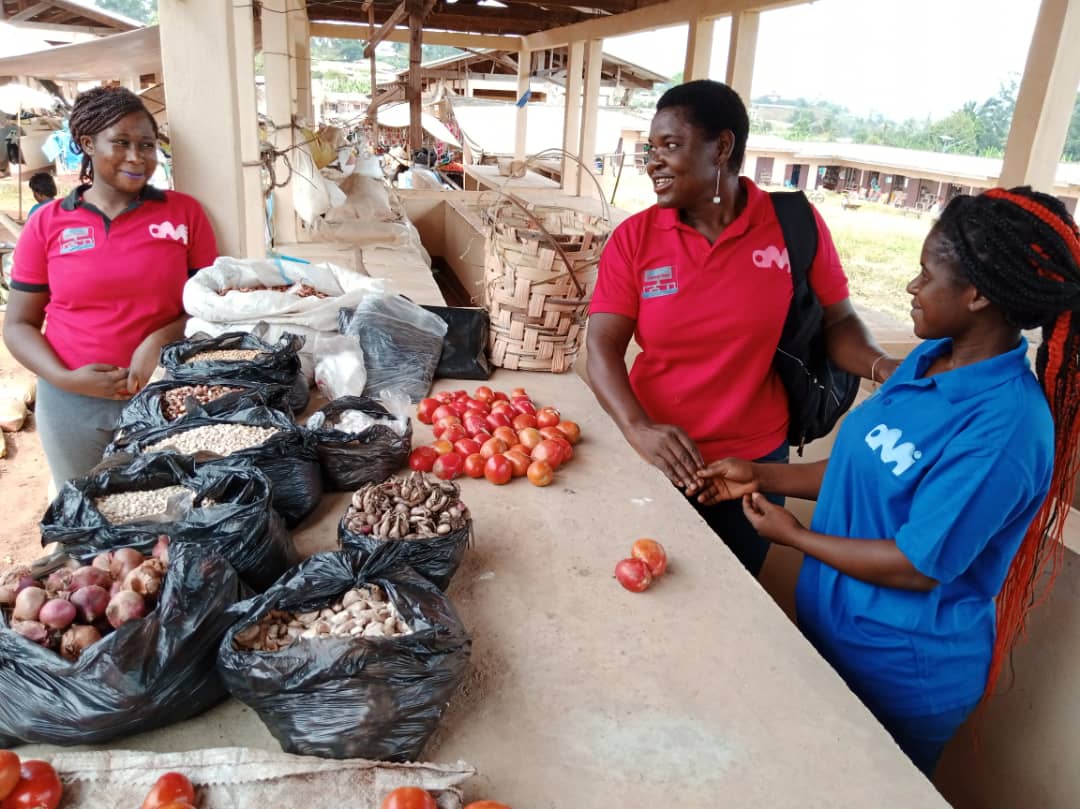
- Micro-loan programs and income-generating activities
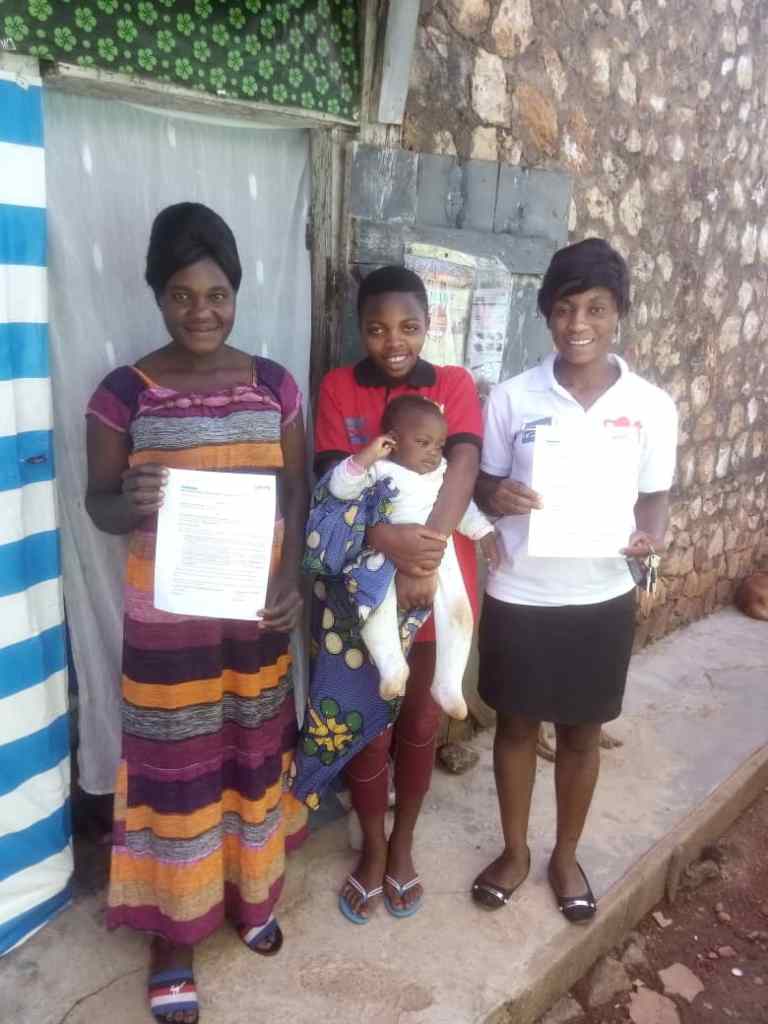
- Child safeguarding in all areas of intervention
- Provision of basic health services, including menstrual hygiene support
 Sustain Cameroon